
Life Skills programme
Life Skills is a crucial part of the Back to School programme for orphaned and vulnerable children. With the right input about how to behave and what to focus on in life, it becomes a way of life, which then enables the child to cope with the demands and challenges that they will face in the future. We want to equip children to make wise choices, cope with past experiences and pursue their goals and dreams, with God at the centre of their lives. Life skills includes:
Sharing the Bible in the light of challenges and issues they face and God’s love for them
Workshops on university and career choices
Inspirational talks by motivational speakers (for example, a young person from their own community who has escaped the cycle of poverty and is studying at university)
Workshops on gender-based violence and what to do if you are an abuse survivor or know a friend or family member who is
Sports days to build confidence, have fun and learn skills to stay fit and healthy
Sanitary pad distribution through Girls’ Clubs, which create a space to openly discuss challenges that teenage girls and their friends may be facing, such as abuse, teenage pregnancy and peer pressure. More than 600 girls in KwaZulu-Natal and 60 refugee girls in Pietermaritzburg and Durban attend the Girls’ Clubs and receive sanitary pads each month so they can attend school in comfort and with confidence all through the month.

Children on the Back to School programme attend bi-monthly Life Skills workshops.
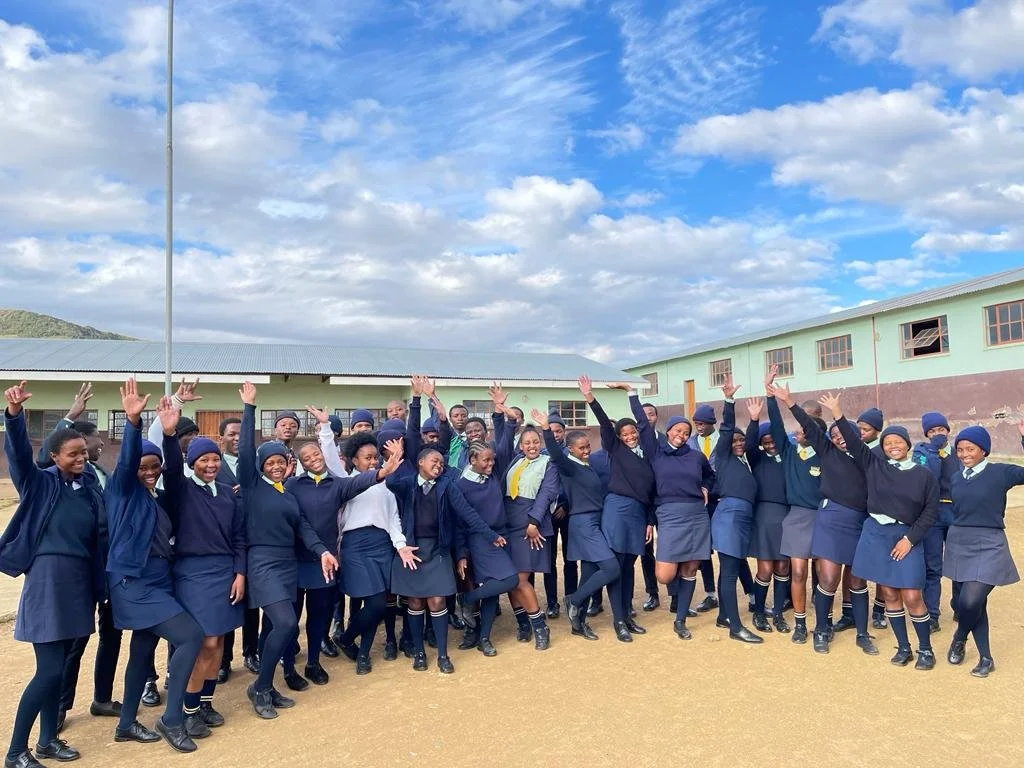
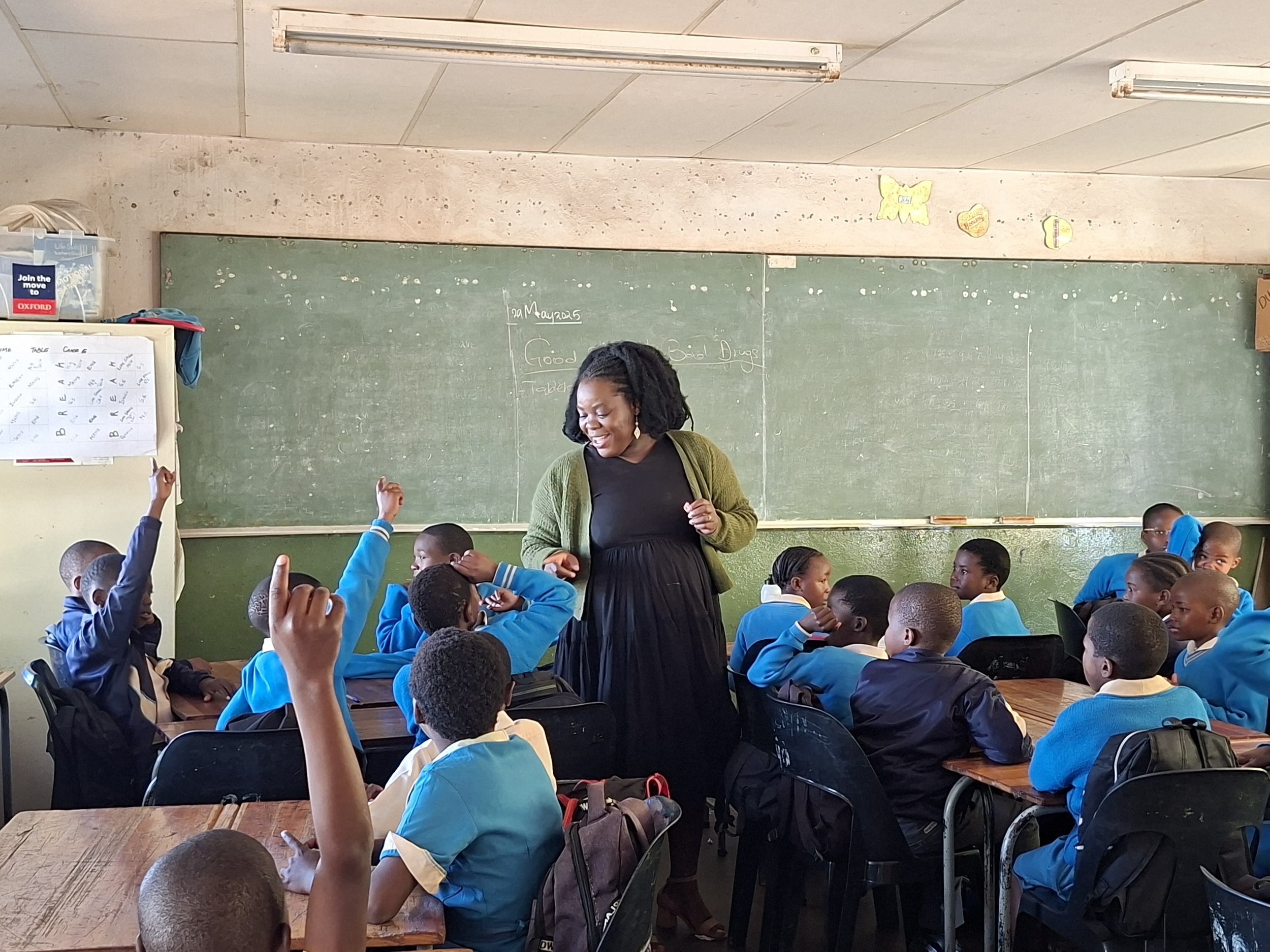
The teachers in the schools say Life Skills workshops are helping children to be more confident and to cope with past experiences and current challenges, like the death of their parents, living in poverty and being refugees in a strange country. For some who struggled with their behaviour at school, Life Skills has improved their ability to concentrate and behave well in class. We see such a change in the children over time and it’s amazing to see these wonderful children conquering the challenges they face and finding hope for the future.
“I live with my grandmother and brother. Life Skills teaches me the importance of treating other children with kindness and respect, both physically and emotionally. I have also been encouraged to work hard, arrive on time and respect my teachers and elders.”
Kate Johnson, Project Leader at Key Ministry explains the impact of Life Skills in the refugee community:
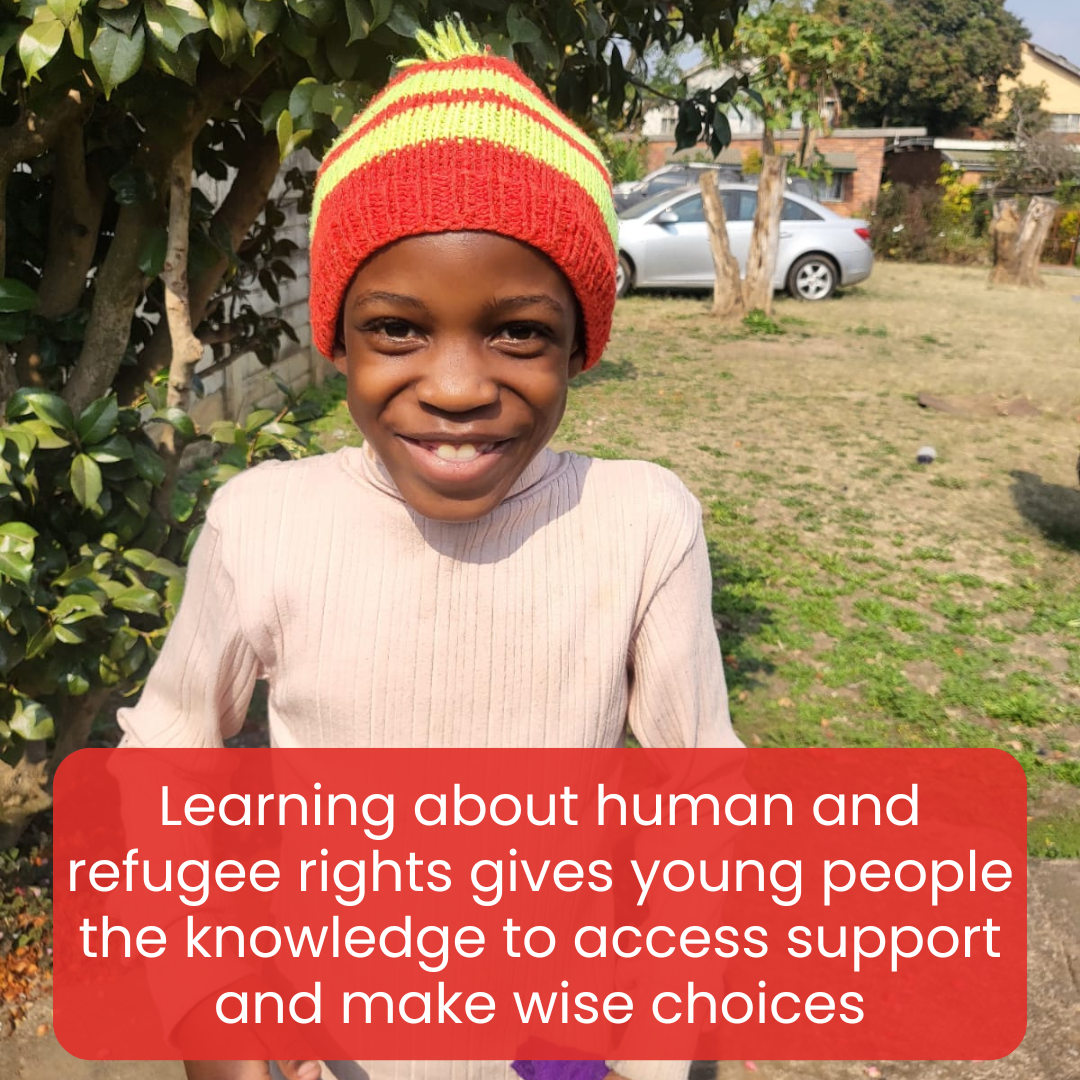
“Earlier this year, we realised how little the young people knew about human and refugee rights. We ran a session as part of Life Skills and they felt inspired to share with other refugee youths what they had learned about their rights, legal status, available support and how to protect themselves from exploitation.
“We also plan to help parents and guardians discuss the challenges their children face. We want to encourage parental involvement in supporting their children’s education, well-being and integration, as well as fostering collaboration among parents to share experiences and solutions.”